Be yourself; Everyone else is already taken.
— Oscar Wilde.
This is the first post on my new blog. I’m just getting this new blog going, so stay tuned for more. Subscribe below to get notified when I post new updates.
Healthcare Technology Solution
Be yourself; Everyone else is already taken.
— Oscar Wilde.
This is the first post on my new blog. I’m just getting this new blog going, so stay tuned for more. Subscribe below to get notified when I post new updates.
An EHR patient portal is a secure application that allows people to access personal health data (PHI). Furthermore, it can provide solutions to all types of healthcare needs, like
Therefore, the need for EHR in clinical efficiency is a mandatory factor in today’s healthcare industry. A well-organized electronic health record system can be immensely beneficial to patients and providers—both. Let us go through the key features that make an efficient and effective EHR patient portal.
One of the most significant drawbacks that the majority of patients face is a complicated user interface (UI). Bad encounters with an EHR patient portal can have a negative effect on patient engagement.
Therefore, while making the patient portal, a simple patient-centric UI structure should be a major aspect to consider. It will improve the patient experience along with patient engagement with your organization.
The increased sharing of patient data in online health management platforms has increased the need for much more secure security portals in health care services. Hence, you need a safe platform for data interchange between patients and providers, improved communication, and better care management.
A patient portal is strongly intertwined with your billing system. You can use the system to send an invoice to the patient’s portal account, where they can make safe payments. Online payment options make payment collection easier for medical providers.
According to a TransUnion survey, 68 percent of customers do not entirely pay off their medical bill amounts. Hence, implementing a medical billing system in the patient portal is necessary now. It can assist you in speeding up your patient collection process by tracking payment details such as past-due bills and late fees and recognizing customers who are falling behind. This will provide patients with much more information and options for managing their healthcare finances.
A large number of healthcare providers are discovering new uses for web and mobile apps, such as delivering essential information to patients, working more strategically with partner providers, patient support services, and so on. Application Programming Interfaces (APIs) enable healthcare organizations to do all these things. Patients’ health information is immediately synchronized on the platform after they combine their portal accounts with medical devices that store all data on a dedicated cloud server. This also enhances the interoperability of critical health data.
Form entry procedures on paper can be time-consuming, error-prone, and impossible to track. This inspired healthcare providers to search for an ideal digital form solution. Digital forms have proven to help lower patient wait times in medical institutions while also providing a safe and secure method of collecting healthcare data.
Additionally, it aids in minimizing the stress on receptionists, improving workflow, lowering the risk of clinical errors caused by incorrect data, and providing a complete picture of a patient’s medical history.
PatientMD is an AI-driven digital health platform for patient engagement and recruitment solutions. It captures clinical, genomic, and IoT data from the patient to create a longitudinal record via the patient portal. To improve EHR in clinical efficiency, it also offers value-based patient-centric care. The ultimate purpose of this platform is to empower healthcare providers with solutions that benefit both patients and doctors.
Want to know more about our EHR services to increase your healthcare practice and business? text at, +18727048154.
Being sick can be the worst. Regardless of how hard we try to be healthy, falling sick is something we all have to deal with at some point. But leaving the comfort and safety of your home to visit the health clinic can be very exhausting sometimes. However, owing to computers, smartphones, and other modern digital technology, people can now opt for online healthcare for required treatments.
So let’s talk about some tips here to get better if you are feeling under the weather.
If you are sick, you should give yourself time to relax and recover.
Eating healthy food and lots of fluid intakes can restore the nutrition balance and energy back.
Self-care is important for your mind and body to relax:
If you are ill, the best method to recover quickly is to consult a doctor. But physical interaction or visits can be risky if you want to avoid spreading or coming into contact with germs. This is why now many prefer online health management platforms to get the required treatment.
Through telehealth visits, you can get primary care for
Urgent care for
Also, you can remotely monitor the symptoms of health issues like
If you are feeling under the weather and not in a position for a trip to clinic appointments, telehealth or online healthcare is the best and safest option for you. Consult with the doctors on the PatientMD platform. It is an AI-driven digital healthcare platform where you can see and consult doctors in need via several telecommunication channels like live chat, video calls, text messages, etc.
Also, you can have 24/7 access to doctors simply from the comfort of your home helping you to get high-quality treatment.
Taking proper care and precautions for your own health should be your number one priority. So, in case you need to consult a doctor? Just text us at +18727048154.
With the tremendous strides in clinical technologies, telemedicine is being increasingly engaged in the USA for helping the psychiatric patients to access the type of care they require and when it is needed most. Telepsychiatry has enough potential to significantly improving the treatment outcomes among psychiatric patients.
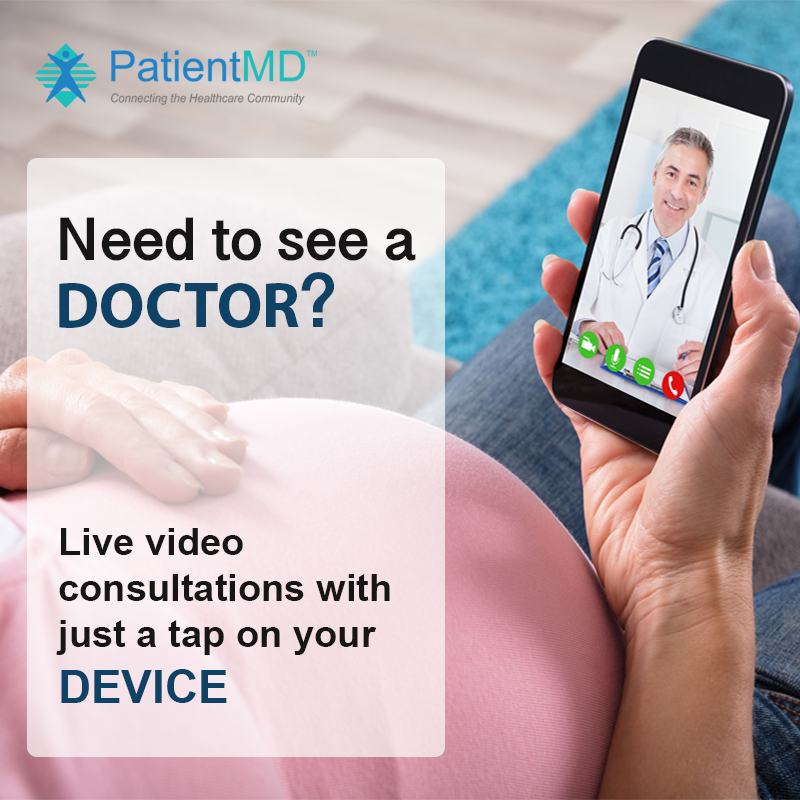
Most of the emergency rooms in the USA are not equipped with a psychiatrist and yet over twelve in every hundred hospital emergency visits call for mental health diagnosis. Most emergency rooms in the country are purpose-designed to manage acute conditions, traumatic injuries, and physical emergencies.
Although they are not meant to address psychiatric emergencies, such as schizophrenic or bipolar episodes, those cases are being witnessed by emergency rooms across the USA in phenomenal volume.
A vast majority of the emergency rooms are yet to have a psychiatrist on board let alone engaging a few mental health specialists to supervise the emergency room twenty-four seven. The answer could be telepsychiatry, that is, delivering psychiatry consultation and other allied services through telemedicine.
How Telepsychiatry is Reforming the Emergency Room
As per the latest data provided by the ACEP or American College of Emergency Physicians, a continuous increase of psychiatric patients over time in the outpatient care has resulted in a colossal number of psychiatric cases being referred to the emergency room.
A vast majority of the emergency room physicians do not possess the particular training for offering the kind of psychiatric care required by the patients in during the occurrence of psychiatric event of any kind, such as an episodic onset or the like; and psychiatric evaluation of the patients in those incidents is limited by the emergency room practitioner’s training, which typically does not come under the scope of mental healthcare.
However, with the help of telemedicine, the condition of patients can now be remotely assessed by a qualified psychiatrist, who will also be able to consult with the doctors present in the emergency room, provide referrals, and more. Telepsychiatry has finally made the requirement of being present in the emergency room in person for the psychiatrists largely irrelevant.
An Emerging Trend That is Here to Stay
The ACEP recommends that telemedicine should be employed as and when required for reducing inpatient admissions and emergency room boardings among the psychiatric patients.
Whereas traditional emergency room physicians may admit individuals with psychiatric disorders without a comprehensive and true evaluation of those patients’ requirements in the first place, ensuring the presence of a psychiatrist albeit virtually can reduce the rate of admissions to a great extent. Furthermore, a telepsychiatry consultation does help to facilitate the initialization of one’s course of treatment and also accelerate patient outcomes.
The ACEP acknowledges the application of psychiatry through the telemedicine delivery channel as a significantly beneficial tool for patient assessment in the emergency room. A recent study conducted by the JTT or Journal of Telemedicine and Telecare concluded that when the facility psychiatrist was not available in the emergency room, telemedicine empowered the emergency room professionals for expediting the improvements in patients asking for psychiatric care.
It is almost a standard practice at a large number of emergency rooms to hold the people with psychiatric problems until those patients can avail a consultation, which not only postpones the assessment procedure and treatment planning but also consumes valuable space needed by other emergency room patients while waiting for the arrival of an on-call expert in psychiatry.
To suffice, telepsychiatry allows the patients to receive the care they are seeking more quickly and also reduce their likelihood of hospital admissions.
Telepsychiatry Simplified for the Beginners
Similar to any other consultation, the psychiatrist attends the patient in person through a webcam during a telepsychiatry visit, to which a telemedicine cart is usually attached. First, the psychiatrist discusses the condition and symptoms of the patient with the physician or other staff present in the emergency room and reviews everything that may be vital in achieving a diagnosis and devising an appropriate treatment regimen.
Next, the psychiatrist interacts directly with the patient over a real-time multimedia channel that utilizes crisp audio and high-quality video. Nearly all telemedicine carts feature the routine facilities for evaluating the patient, with assistance from healthcare personnel at times, to monitor and record one’s pulse rate, vitals, and more.
As soon as the patient evaluation is over, the psychiatrist can start formulating a suitable course of treatment and converse with the attending doctor in the last phase of the consultation.
Telemedicine services can effectively be delivered to the patients by numerous means and the providers are required to comprehensively evaluate each one of them before zeroing in on a particular delivery method, considering a host of factors, including their patient demographics.
Live Interaction
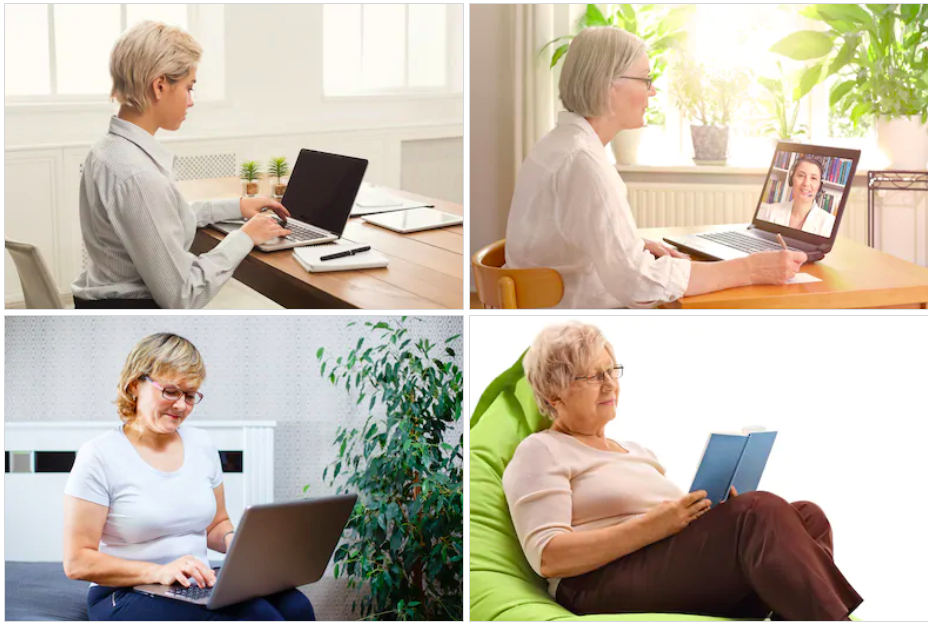
Amongst the most popular telemedicine services is the synchronous or live interactions, where the patients and their providers or two service providers engage in real-time communication.
As these interchanges occur in real-time, they facilitate sharing of information in an increasingly transparent manner and also encourage the patient to ask follow-up queries. It may also aid an indifferent patient to put faith in the provider as trust or its lack is a typical deterrent for the patient populations trying out telemedicine. The particular telemedicine process does not produce any time lag.
Store and Forward
Many providers utilize the asynchronous or store-and-forward method for telemedicine delivery, where vital information, such as photographic images, diagnostic tests, and videos, are stored first and then transmitted to a healthcare provider, commonly a specialist, later on.
The specialist examines the forwarded clinical data and then reverts. While the store-and-forward method limits the opportunity of asking queries because of the inherent time lag it produces, the particular telemedicine delivery method may streamline the operation as well for the very reason that it does not need to synchronize the schedules of all the participants involved in the process.
Remote Patient Monitoring
Remote patient monitoring is also another kind of telemedicine delivery method that is being widely leveraged these days, where the providers or patients, the former usually being the nurses, can input significant healthcare indicators and information, such as blood sugar levels, weight, or blood pressure, over an extended quantum of time.
This medical data will then be organized into a unified dataset and be evaluated by the healthcare team to trace any meaningful deviations or patterns. It can prove to be an indispensable methodology or tool for patients with chronic health conditions, such as congestive heart failure or type-two diabetes.
Mobile Health
In an analogous way, the mobile healthcare system may be employed in the form of a go-to-delivery method for particular patients, where the affected individuals are required to use technology that is readily available for registering and keying in critical data. As the people are actively involved in inputting data, the greater are the odds of reporting errors by the patients themselves. Furthermore, there are a number of other risks that are also present in the mobile healthcare system.
The Bottom Line
The healthcare providers are increasingly exploring various means for integrating the aforementioned telemedicine delivery methods into a more coherent and effective package.
A hybrid consultation is purpose-designed to include all the benefits of both synchronous and asynchronous interactions.
While the hybrid consultation allows a specialist to usually accesses the complex diagnostics, which were completed earlier, it also permits the attending specialist to directly engage with the patients and/or their family members. According to the latest (2018) data provided by the Telehealth Resource Centers or TRC, these hybrid consultations can be most frequently found in specialties like cardiology and dermatology.
No matter which telemedicine service you choose, it is imperative to realize that the objective remains same in all the cases, that is, improving the health outcomes of patients.
Being a practitioner of internal medicine, you are always in search of effective means for increasing operational efficiency and improving the health outcome of your patients. With the continuous strides in the field of telemedicine, now you can increase your outreach through real-time video-conferencing and increase your patient satisfaction score, which, in turn, helps to improve your patient engagement. Although telemedicine is not supposed to replace in-person clinical care, it is turning out to be an excellent alternative for those troubled times when an individual is required to visit you for non-critical health conditions, such as needing a refill, managing a chronic disease, following up on ongoing treatment, or seeking laboratory work updates. You can provide a generous boost to your earning while making your patients satisfied and your programs on time.
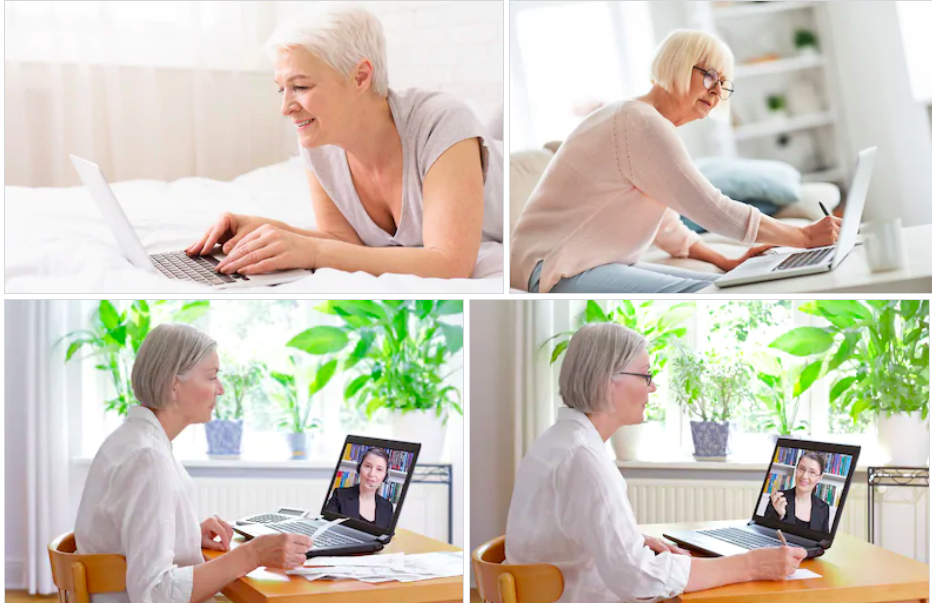
With a state-of-the-art healthcare platform, such as PatientMD, which offers cutting-edge telemedicine services for the physicians, you will be able to see your patients through on-demand video conferencing and video chat. Any person desirous of consulting with you is needed to schedule an appointment in the first place through the PatientMD platform and when one’s day of visit arrives, the patient communicates with you through a HIPAA-compliant video session that is very much like an office visit. You will be able to share screens with your patients and vice versa, monitor one’s vitals and examine the person virtually. The entire procedure is simple and easy for both of you and generally lasts no more than a face-to-face visit does.
ATTEND YOUR PATIENT REMOTELY
One of the greatest advantages of telemedicine is that a physician can treat the patients anytime, anywhere, which benefits both the patient and practitioner. You will be able to deliver advanced, quality care to the patient community, effectively allowing yourself to be more accessible for them and thus, making the task of booking an appointment with you even simpler. The patients are spared all the hassles of traveling to your office, sitting for hours in the waiting room, and driving back in an exhausted state; as they can now afford to meet you as per own convenience. With PatientMD’s easy-to-navigate, user-friendly website, and mobile applications, a patient can not only receive the care one needs with great ease but your productivity increases as well.
RECEIVE AFTER-HOUR CALLS AND INCREASE REVENUE
It is an open secret that the life of a doctor is very much hectic, particularly for the practitioners of internal medicine and the like, so to speak. It is standard for the patients to contact their physicians after office more often than not with numerous queries and there are several instances when handling the patient emergencies over the phone keeps you unpaid. However, when you are to start offering telemedicine, all the telephonic consultations can be readily monetized, which means you will be paid as long as you are working and not just when you meet your patients in-person. It does not only increase your bottom line but also ensures that you are rewarded for all the hours you are to spend serving your patients.
EXPAND YOUR EXISTING PATIENT BASE
Often, scheduling is nothing short of a nightmare for your staff, particularly when you have people who skip their appointments, call to postpone, or simply avoid turning up. While no-shows are not good for your practice and affect your bottom line pretty hard, the odds of canceling are less for patients who are in a position to utilize telemedicine, as they are not required to go through the tedious job of taking your appointment and the need to commute on the visit day. Nevertheless, if any or more of your patients do cancel, PatientMD’s artificially intelligent algorithm will make available those vacant time slots as per the preference of your other patients, so that your revenue keeps growing steadily in the long-term. The award-winning healthcare platform also makes scheduling easier for your in-person patients as you will be witnessing less number of cancellations, which translates to happier traditional patients and reduced wait times.
Telemedicine in urgent care and other spaces in the healthcare sector is increasingly becoming a safe, convenient, and affordable alternative with each passing day. Telehealth use grew almost one-third of all inpatient setups from twenty-fourteen to twenty-nineteen and every nine out of a collective sum of ten outpatient and inpatient providers are planning to invest in this booming industry in the next one-and-a-half years.
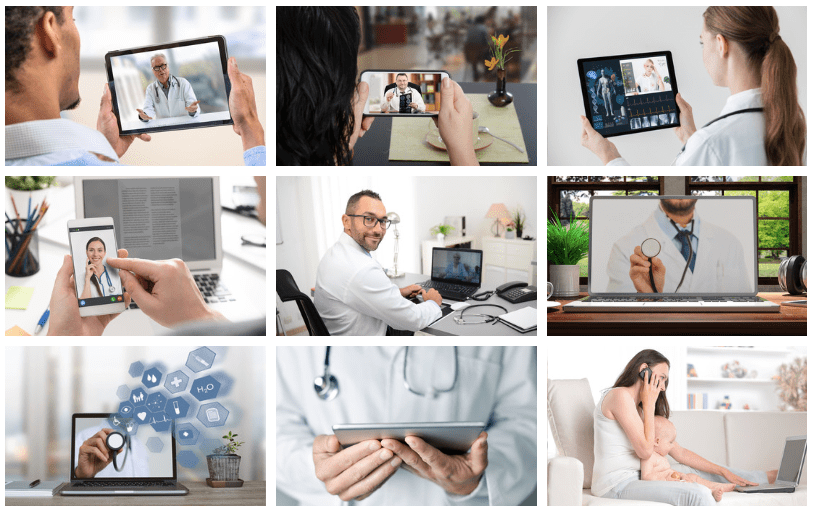
As the practices across the globe start preparing to integrate more telemedicine procedures, they are now in a position to offer their patients with more diverse and customized care. When it comes to improving patient health outcomes and also the quality of clinical care being provided, urgent care facilities, in particular, are turning out to be uniquely positioned.
CATERS TO THE RURAL COMMUNITIES MORE EFFICIENTLY
Among the most significant advantages of telemedicine is that it can be fully leveraged by the practices for offering superior care to the rural patient community. From video-based visits to remote patient monitoring that do not require an individual to travel great distances, with an operational telehealth system in place, the providers can now afford to serve the patients where they may be.
The practitioners can perform clinical examinations on their patients with great ease, specifically on those diagnosed with a critical condition, with the help of telehealth services. More often than not, rural patients traveling to an urgent care clinic are not able to come back for follow-ups because of a host of issues, such as time off work, childcare, and transportation. They might not afford to visit their primary care provider for the same set of reasons. Evidently, with telehealth, these concerns are to become a moot point for sure.
However, a section of the urban population may also suffer from selective access to care and virtual visits are to benefit these people as well. By offering telehealth services, including telemedicine appointment scheduling on the web, your urgent care will be able to follow up with them remotely, ensuring that those patients are complying with their prescribed courses of treatment and improving in a steadfast manner.
For instance, PatientMD, a relatively young player in the healthcare business has recently started offering its telemedicine services to cater the patients who live in and around Chicago, causing enough disruption in the US domestic market. After receiving phenomenal appreciation from the benefited patients as well as enlisted practices and businesses, the company is on the anvil of extending its comprehensive suite of telemedicine services to the resident Indians as well.
LOYALTY AND CONSISTENCY
Not everyone on earth can afford primary care. A twenty-fourteen to twenty-sixteen Kaiser study revealed that, in general, twenty-eight in every hundred males and seventeen in every hundred females in the USA did not avail of primary care. Furthermore, urgent care centers witness about a whopping eighty-nine million patient footfalls on an annual basis.
Bringing these individuals under the scope of telehealth is the need of the hour. When you begin providing telemedicine services, you are effectively making healthcare consumers more aware of you. As they are to receive text reminders for follow-up visits and may even get messages about electronic health consultation with you in due course of time, your urgent care unit is more likely to sustain them in the long-term.
People prefer convenient care more than anything else and for a vast majority, the ultimate in convenience is telemedicine. Though for a number of beneficiaries that simply translates to being able to book your clinic appointments on the internet instead of calling the office, for the rest, videoconferencing visits are to make the most impactful difference in what they used to perceive as convenient healthcare and for long. As long as a patient is consistent with a specific healthcare provider, a person can realize more improvements with respect to one’s health outcomes.
Consider the case of Suburban Wellness at Homer Glen that chose to integrate its services with the PatientMD platform and by doing so, they are not only able to access the people who live anywhere in the Illinois or the USA for that matter but also witnessed a sharp reduction in patient turnover over a short period.
AFFORDABLE
Accessing urgent care might become an expensive proposition, particularly for those who are to arrive from the far-away places. At times, your most proximate urgent care is not serviced by a specific insurance plan, or additional tests are required at the office. For this reason, some might avoid seeing the doctor altogether, even if it is needed.
Telehealth can genuinely prove to be a cost-effective choice for the patients and as a consequence, the odds of seeking care when one requires it most are considerably high, so to speak. Whether a complete follow-up visit is required for a specific health condition, or if they just wish to inquire about something, the patients can access their care with reasonable ease by embracing telemedicine.
As mentioned earlier, after partnering with leading practitioners and healthcare companies in the USA, PatientMD is investing significantly in India to offer its state-of-the-art telemedicine services. As per a recent research study executed by the McKinsey Global Institute in the March of twenty-nineteen, she would be able to save up to ten billions of US dollars along with improving care for those who stay in remote locations and providing the poor with better care, if three to four of every in-person outpatient visits could get suitably replaced by the telemedicine.
This is an example post, originally published as part of Blogging University. Enroll in one of our ten programs, and start your blog right.
You’re going to publish a post today. Don’t worry about how your blog looks. Don’t worry if you haven’t given it a name yet, or you’re feeling overwhelmed. Just click the “New Post” button, and tell us why you’re here.
Why do this?
The post can be short or long, a personal intro to your life or a bloggy mission statement, a manifesto for the future or a simple outline of your the types of things you hope to publish.
To help you get started, here are a few questions:
You’re not locked into any of this; one of the wonderful things about blogs is how they constantly evolve as we learn, grow, and interact with one another — but it’s good to know where and why you started, and articulating your goals may just give you a few other post ideas.
Can’t think how to get started? Just write the first thing that pops into your head. Anne Lamott, author of a book on writing we love, says that you need to give yourself permission to write a “crappy first draft”. Anne makes a great point — just start writing, and worry about editing it later.
When you’re ready to publish, give your post three to five tags that describe your blog’s focus — writing, photography, fiction, parenting, food, cars, movies, sports, whatever. These tags will help others who care about your topics find you in the Reader. Make sure one of the tags is “zerotohero,” so other new bloggers can find you, too.

 PatientMD